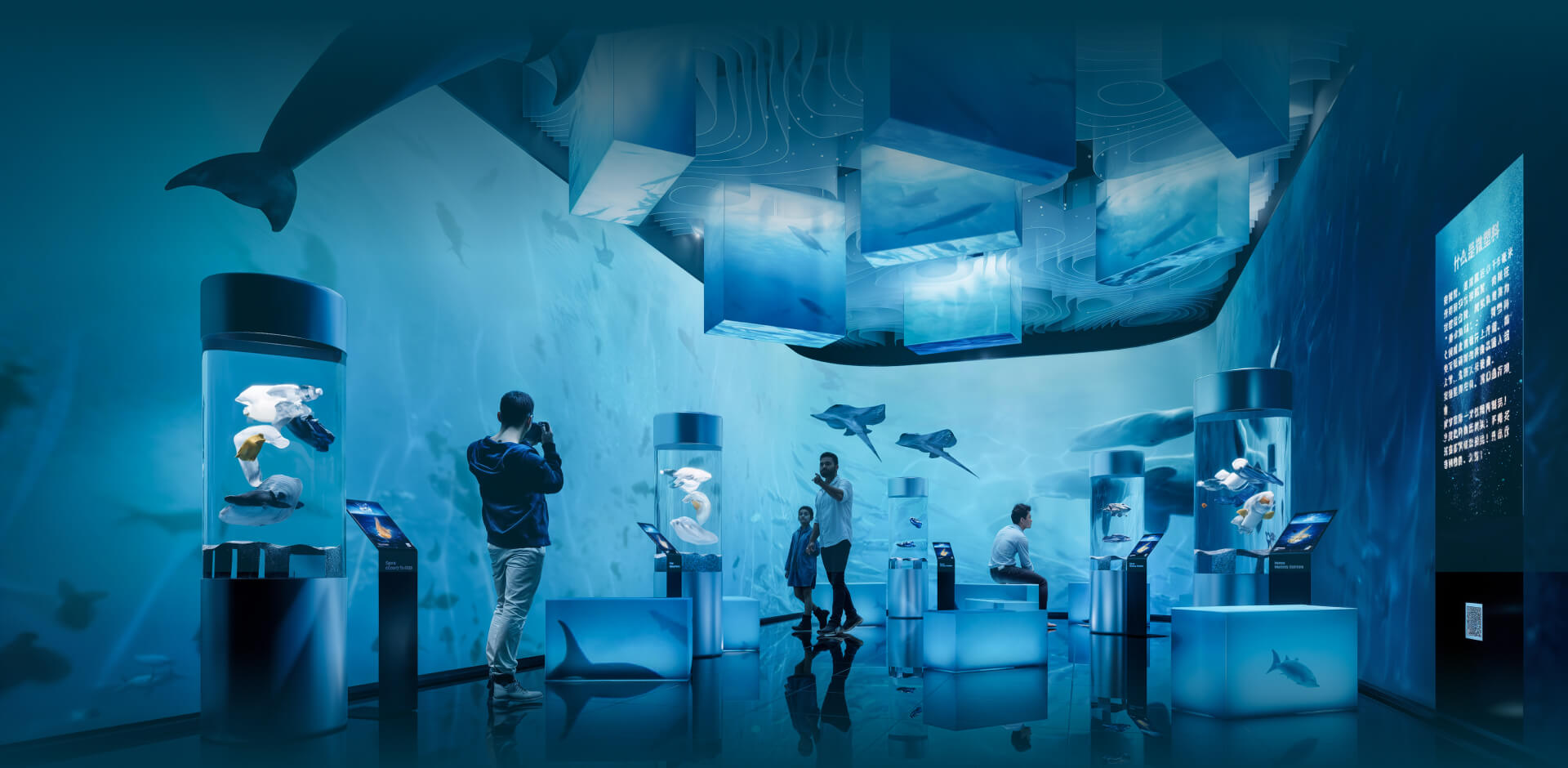
Aquarium Tunnel Design Guide: Acrylic Structure, Geometry and Installation


An underwater aquarium tunnel is one of the most immersive structures in a public aquarium because it places visitors inside the aquatic environment rather than outside a conventional viewing window. The apparent simplicity of the experience hides a complex engineering problem involving acrylic geometry, hydrostatic loading, structural support, visitor circulation, fabrication and field installation.
What Determines an Aquarium Tunnel Design?
The tunnel shape should be developed from both visitor experience and structural requirements. Important design inputs include water depth, tunnel width, tunnel height, curvature, length, surrounding tank geometry and the location of structural supports.
These factors influence the acrylic section, manufacturing process and installation method. For this reason, acrylic aquarium tunnel systems should be coordinated during the architectural and engineering stages rather than selected after the surrounding tank has already been built.
Water Depth and Structural Loading
Hydrostatic pressure increases with water depth. Tunnel engineering must therefore consider the loading condition at every part of the curved acrylic structure together with its geometry and support conditions.
Panel thickness alone is not enough to define structural performance. Curvature, clear span, edge restraint, connection details and acceptable deformation are also important.
Tunnel Geometry
Curved Tunnel Profiles
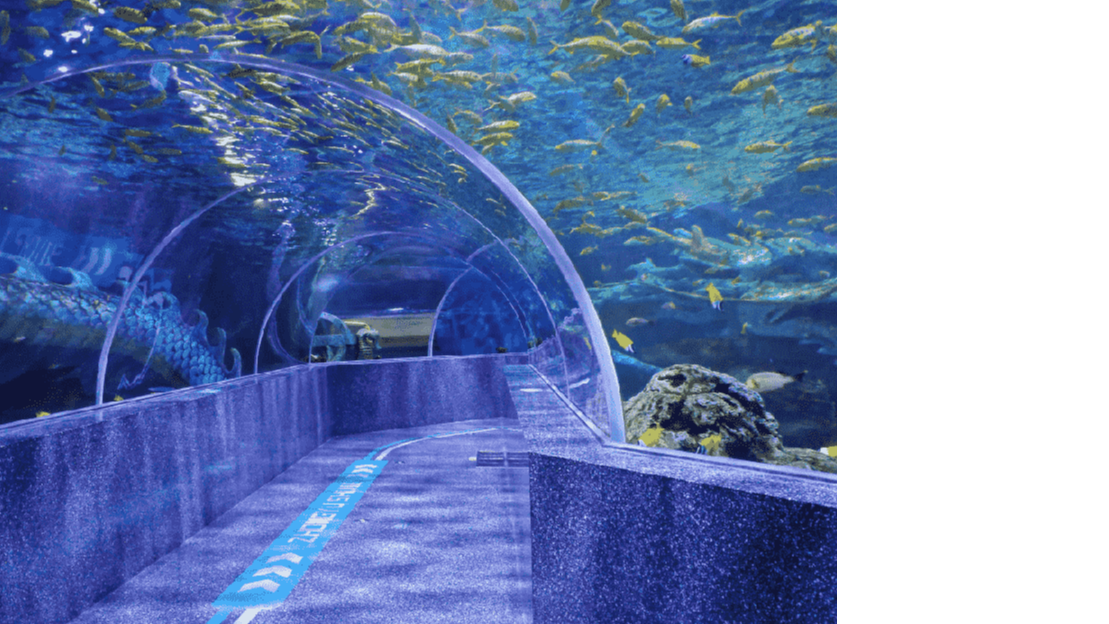
Curved sections create a continuous underwater viewing field and transfer loads differently from flat panels. The selected radius should balance visitor experience, structural performance and manufacturability.
90-Degree Tunnel Configurations
Some installations use partial tunnel geometries where the acrylic structure forms the overhead and side viewing surfaces while other portions connect to the surrounding structural tank.
Full Immersive Tunnel Environments
Longer tunnels require additional consideration of circulation capacity, emergency planning, lighting, cleaning access and visitor dwell time.
Acrylic Manufacturing
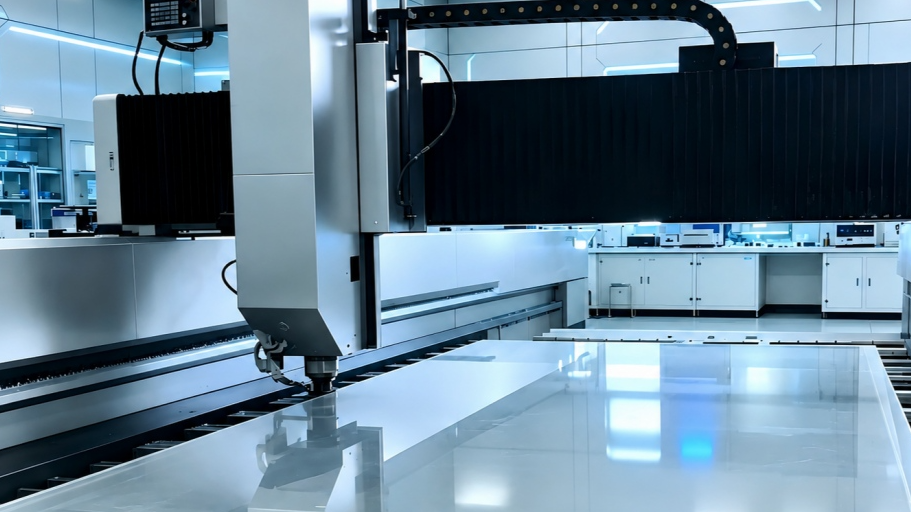
Large tunnel sections may require casting, machining, forming, bonding, annealing and polishing before they can be transported to site. The production process needs accurate design geometry because small deviations can create installation difficulties across long interfaces.
LANHU's large-scale acrylic manufacturing process supports curved and tunnel structures as part of integrated aquarium projects.
Structural Interfaces
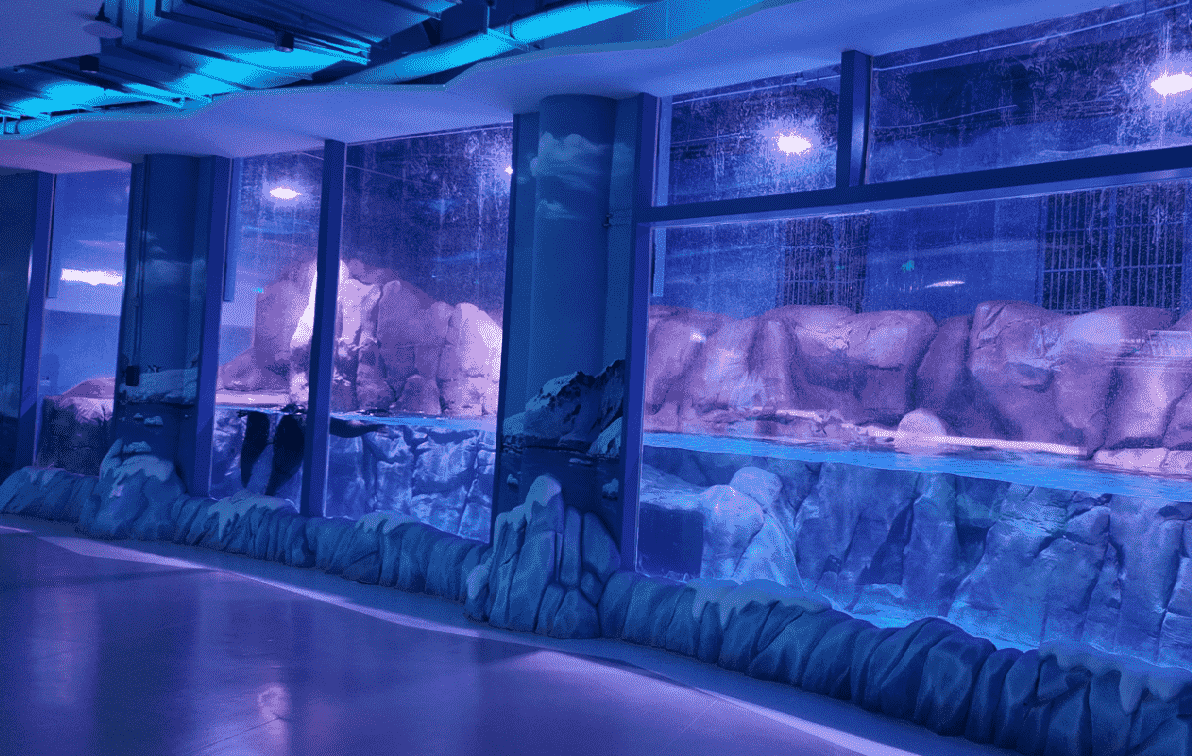
The interface between acrylic and the supporting structure is one of the most important areas of tunnel design. Concrete geometry, steel support components, waterproofing systems and acrylic tolerances need to work together.
The aquarium specialist should therefore coordinate closely with the architectural and structural teams through the aquarium architecture and spatial design process.
Visitor Experience Considerations
Technical performance is essential, but the tunnel is also a visitor environment. Width, height, lighting and sightlines influence how crowded the space feels and how effectively visitors can observe the aquatic habitat.
Provide sufficient circulation width for expected visitor volume
Avoid unnecessary visual obstructions
Coordinate lighting to reduce glare on acrylic surfaces
Consider visitor dwell time around major animal viewing zones
Maintain practical cleaning and maintenance access
Installation Planning
Large acrylic components require detailed lifting, access and sequencing plans. The construction team needs to verify actual support dimensions before final installation and protect the optical surfaces throughout the process.
Projects can combine tunnel manufacturing with acrylic fabrication and installation to maintain continuity between production tolerances and site execution.
Frequently Asked Questions
How thick is an acrylic aquarium tunnel?
There is no standard thickness that applies to every tunnel. Engineering depends on water depth, tunnel radius, span, support conditions and project-specific safety criteria.
How long can an aquarium tunnel be?
Tunnel length depends on the architectural layout, visitor circulation, manufacturing strategy and structural segmentation of the system. Long tunnel experiences may use multiple engineered acrylic sections.
Can aquarium tunnels be custom designed?
Yes. Tunnel geometry can be developed around the required architectural environment, aquatic habitat and visitor experience.
Planning an Underwater Aquarium Tunnel?
For an initial engineering review, send LANHU the tank geometry, water depth, tunnel dimensions and available drawings. These details help determine an appropriate acrylic and structural design approach.