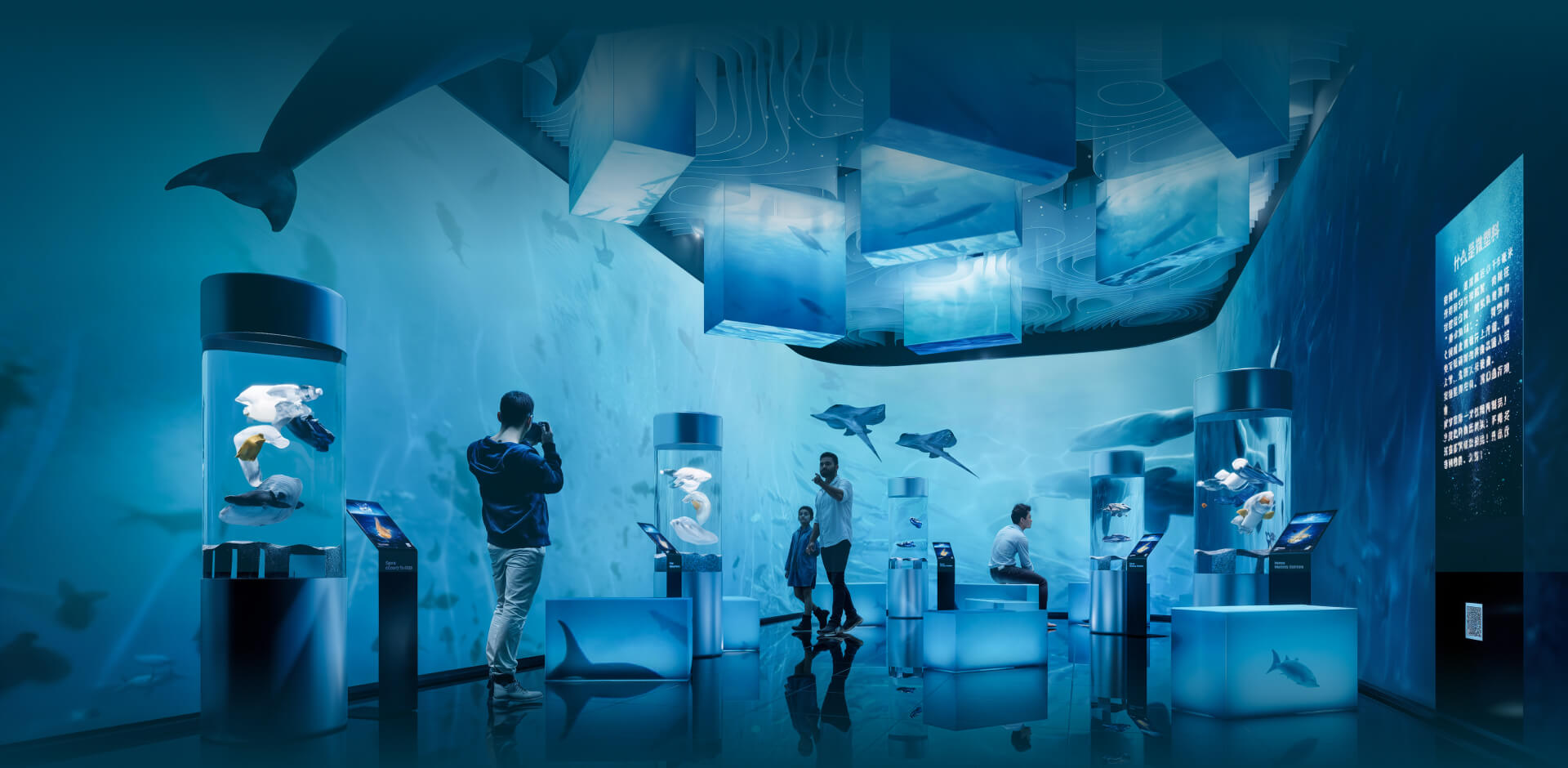
Public Aquarium Design and Construction: From Concept to Opening


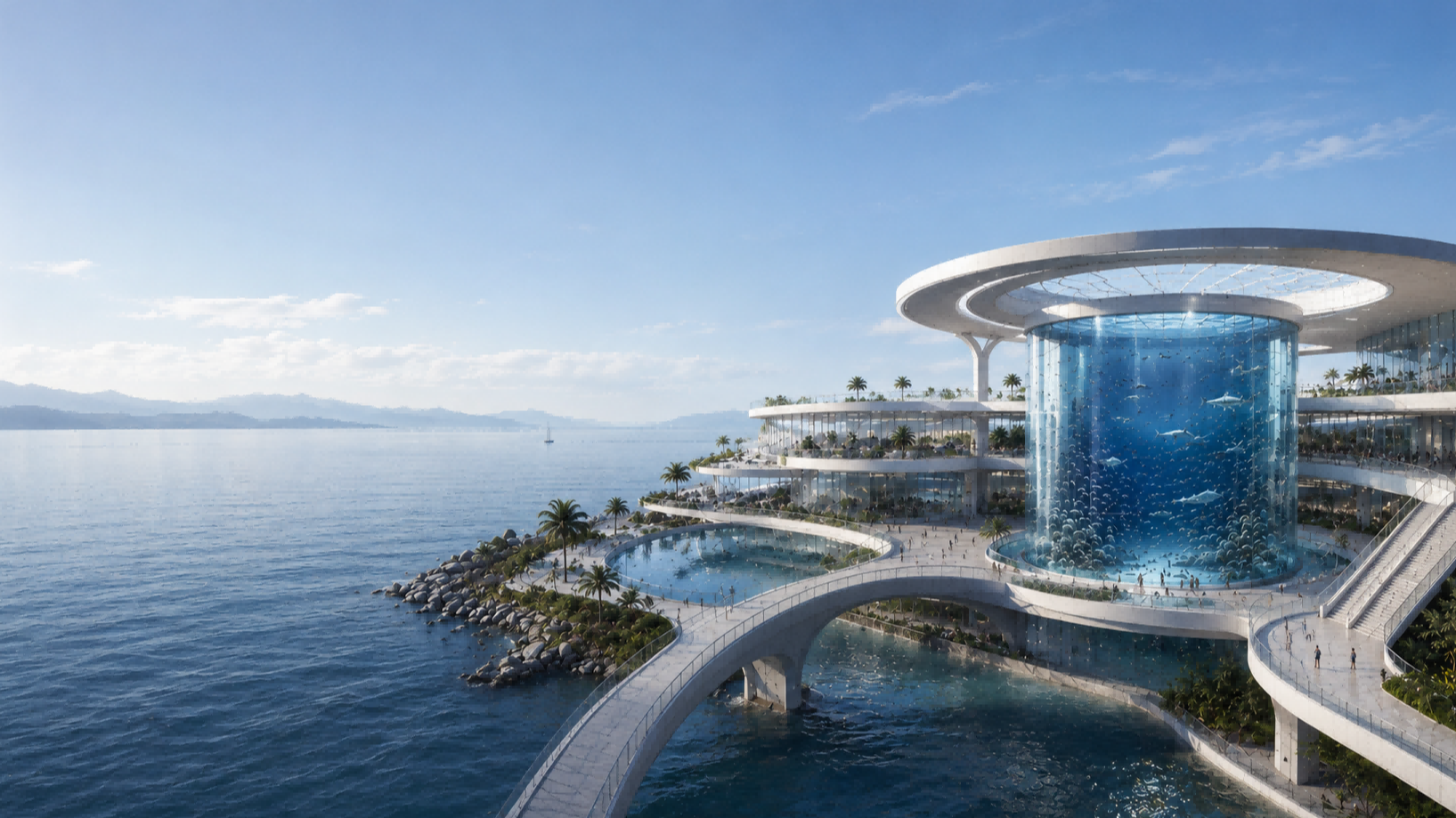
Public aquarium design and construction is a multidisciplinary process that combines architecture, aquatic exhibit planning, structural engineering, acrylic engineering, life support systems, themed environments, animal requirements and long-term operations. Decisions made during the first stages of planning can directly affect construction cost, visitor experience and operational efficiency years after the aquarium opens.
For this reason, successful projects are usually developed as an integrated system rather than as a building that receives aquarium tanks at the end of the architectural process.
1. Start with Feasibility, Not Tank Shapes
Before selecting tunnels, panoramic windows or major exhibit dimensions, the project team should understand the development objective. Important questions include expected attendance, project positioning, site conditions, available utilities, target species, approximate construction budget and operating model.
A structured aquarium feasibility assessment can help identify technical or financial constraints before substantial design resources are committed.
2. Define the Visitor Experience
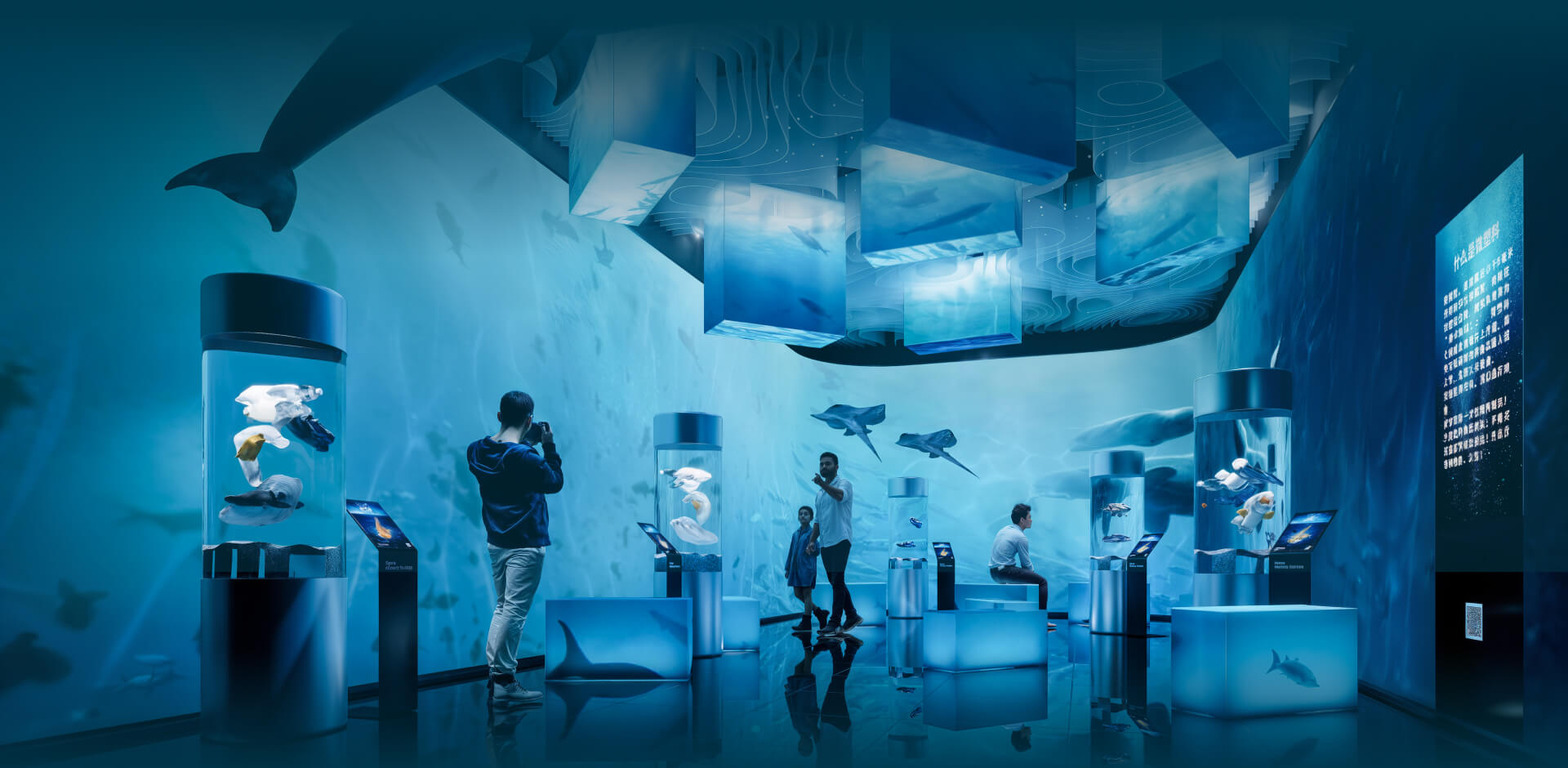
Visitors do not experience an aquarium as a technical system. They experience a sequence of spaces, habitats and visual moments. The planning team therefore needs to determine how visitors enter, move between exhibits, encounter major attractions and transition between different ecological stories.
Good circulation planning also needs to account for practical issues such as peak visitor volume, viewing dwell time, accessibility, emergency egress and operational separation.
3. Coordinate Aquarium Architecture Early
Major exhibits influence floor elevations, structural loading, wall locations and service spaces. A large viewing tank may require significant back-of-house access and plant capacity, while an underwater tunnel can affect both the structural grid and the visitor circulation route.
These relationships are addressed through integrated aquarium architecture, where the spatial design is coordinated with the technical systems rather than developed independently.
4. Develop the Acrylic Viewing System
Acrylic panels create the visual interface between visitors and aquatic habitats. Their design depends on water depth, span, geometry, support conditions, allowable deformation and installation constraints.
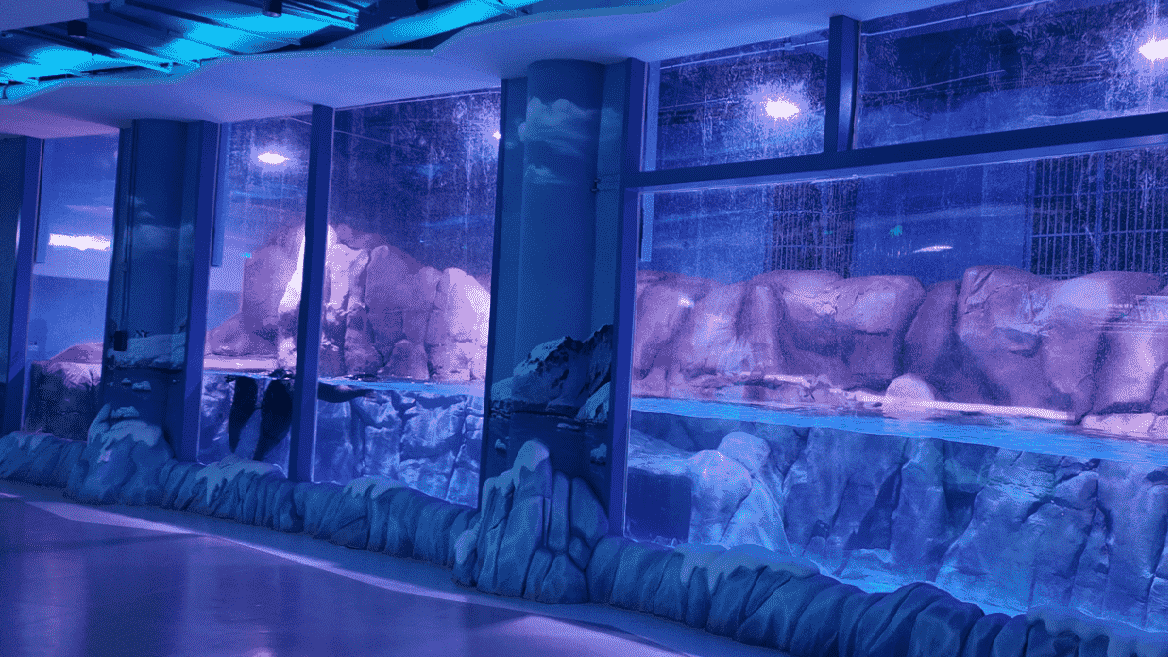
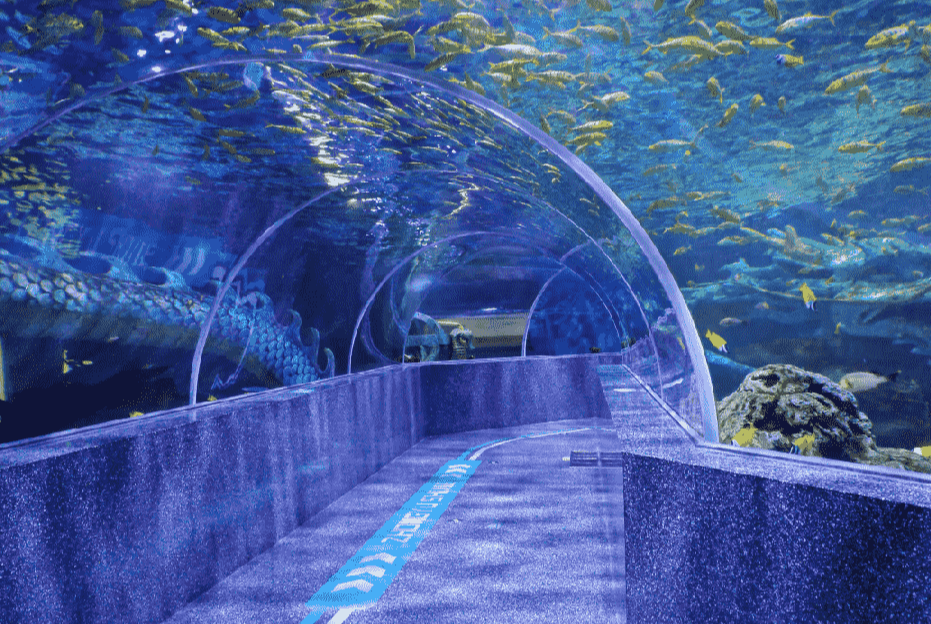
Depending on the exhibit, the solution may use flat windows, curved viewing panels, cylindrical structures or acrylic underwater tunnels. The final geometry should be coordinated before adjacent concrete and waterproofing interfaces are completed.
5. Design the Life Support System
The life support system maintains the water conditions required by the aquatic environment. Its design can include circulation, mechanical filtration, biological filtration, protein skimming, disinfection, temperature control, monitoring and other treatment processes depending on the exhibit.
LSS equipment also requires physical plant space, piping routes, service access and integration with the building's electrical and mechanical systems.
6. Resolve Structural and Waterproofing Interfaces
Large aquariums introduce substantial static loads and permanent exposure to water. Structural interfaces, waterproofing transitions, acrylic support surfaces and penetrations therefore need careful coordination.
Many site problems occur not because one individual system fails, but because the connection between two disciplines was not clearly defined. Coordinated design documentation helps reduce these interface risks before construction.
7. Manufacture Specialized Acrylic Components
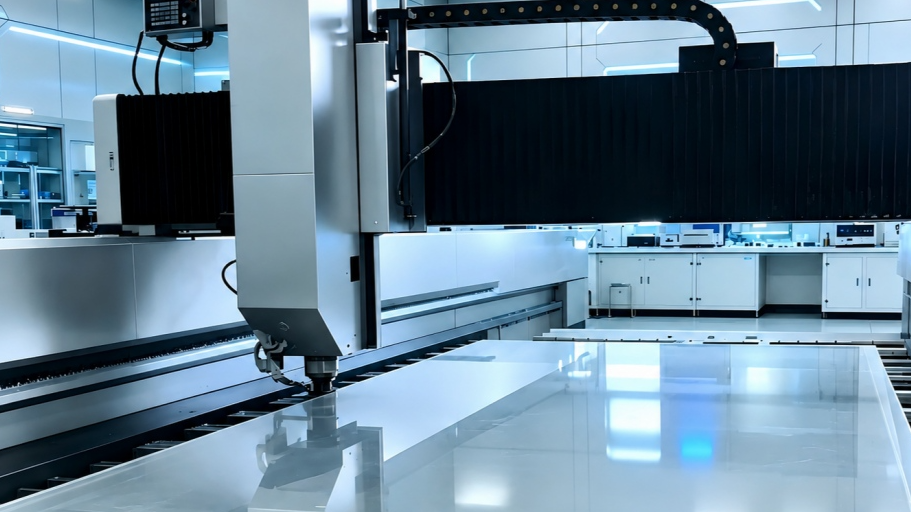
Large aquarium panels cannot be treated as standard glazing products. Manufacturing may involve polymerization, CNC machining, lamination, thermal forming, annealing, polishing and specialized packaging.
LANHU's acrylic aquarium manufacturing process connects production requirements with the geometry and engineering conditions established during design.
8. Construction and System Installation
On site, the aquarium works may include structural preparation, acrylic installation, waterproofing interfaces, LSS equipment and piping installation, habitat fabrication and coordination with surrounding architectural finishes.
Because specialized aquarium components are closely interconnected, aquarium construction and installation should follow controlled dimensional checks and coordinated sequencing.
9. Testing, Commissioning and Opening Preparation
Before livestock introduction or public opening, water-retaining structures and technical systems must be tested. Circulation, filtration and water quality processes need to be stabilized, and operators need time to understand system behavior under real operating conditions.
Common Risks in Public Aquarium Projects
Specialist aquarium engineering starts too late
Insufficient back-of-house and plant room space
Acrylic dimensions are finalized before structural interfaces
Visitor flow is designed without considering viewing dwell time
Maintenance access is sacrificed for public-area space
LSS routes conflict with structural or architectural systems
Construction tolerances are not coordinated with acrylic installation requirements
Frequently Asked Questions
How early should an aquarium specialist join a project?
For large public aquariums, specialist input should ideally begin during feasibility or concept design so that tank geometry, technical space and architectural planning can develop together.
Can aquarium design and construction be delivered by one specialist team?
Yes. Integrated delivery can cover feasibility, specialist design, acrylic engineering, procurement, construction, system installation and commissioning depending on the project model.
What information is needed to start?
Useful early information includes project location, site plan, intended aquarium type, approximate floor area, major exhibits, expected visitor capacity and preliminary investment objectives.
Planning a Public Aquarium Project?
LANHU supports projects from early planning through engineering, acrylic manufacturing, construction and commissioning. To review a new development, send the project team your available drawings and preliminary requirements.