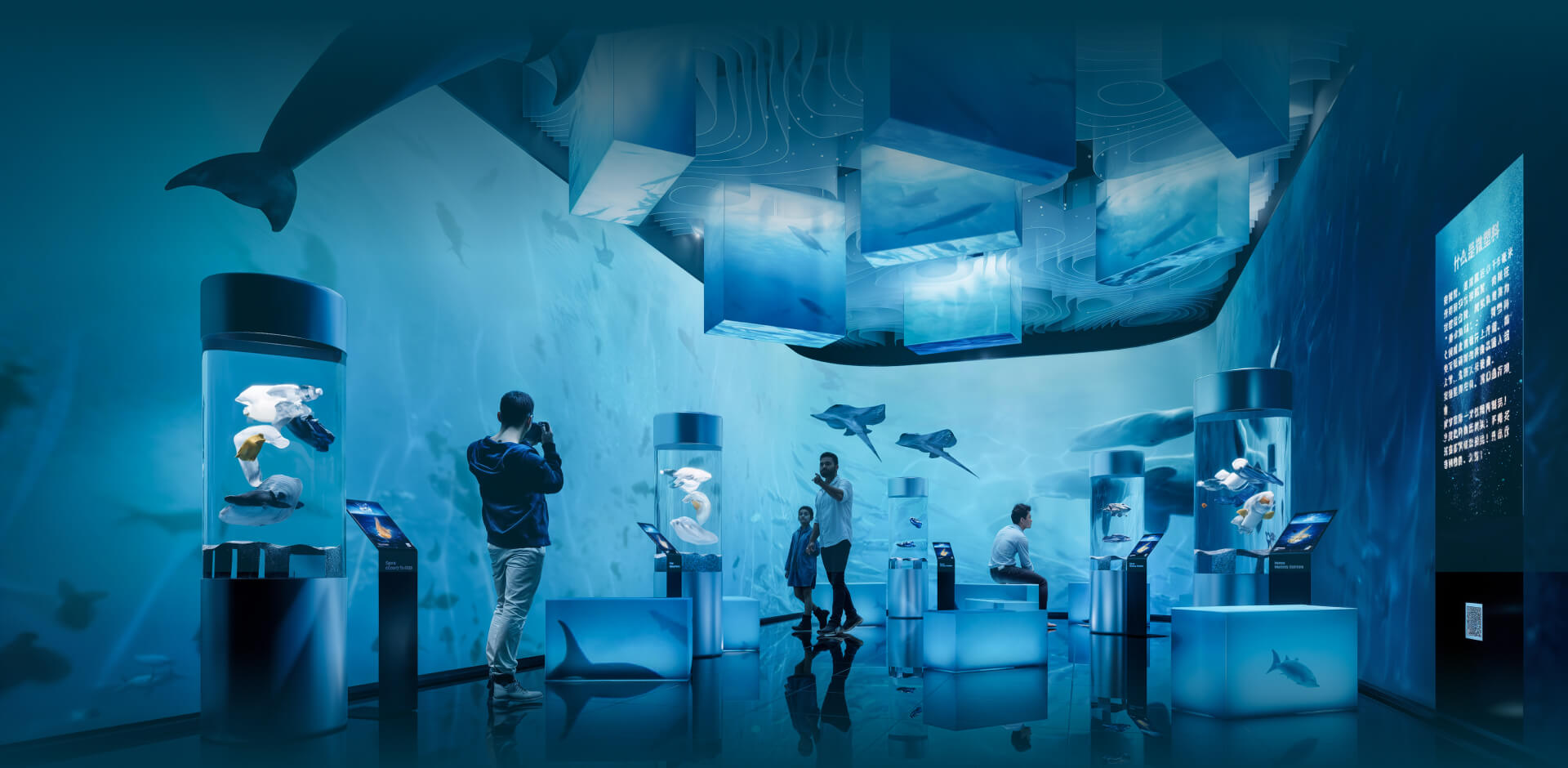
How Large Acrylic Aquarium Tanks Are Manufactured


Large acrylic aquarium tank manufacturing is very different from producing standard transparent plastic sheets. Public aquariums, underwater restaurants, oceanariums and commercial aquatic attractions require acrylic components that combine optical clarity, structural performance, dimensional accuracy and reliable installation interfaces.
The manufacturing process therefore begins with engineering. Water depth, panel span, geometry, support conditions and installation environment determine the requirements that the acrylic component must satisfy.
Why Acrylic Is Used for Large Aquarium Structures
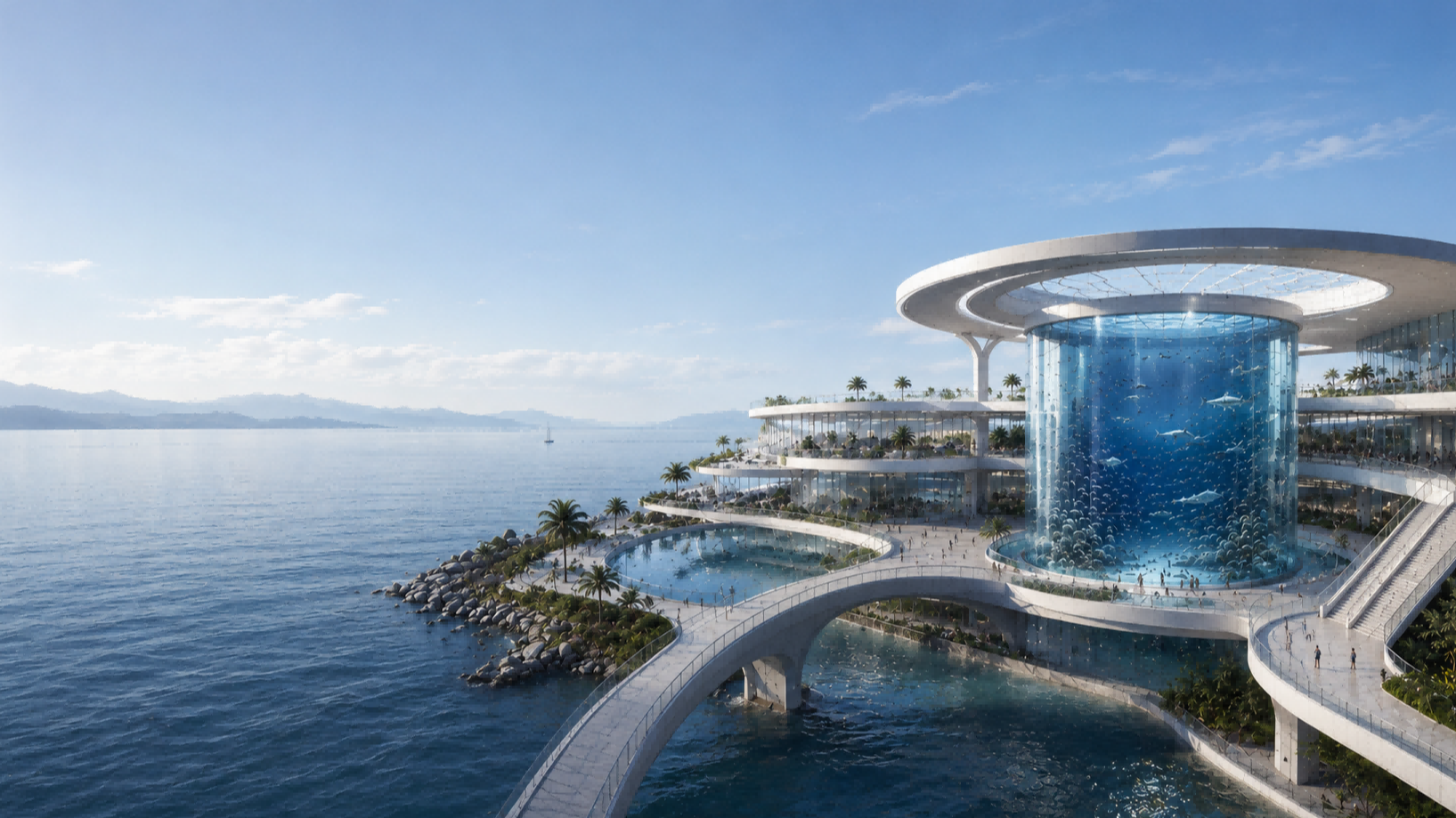
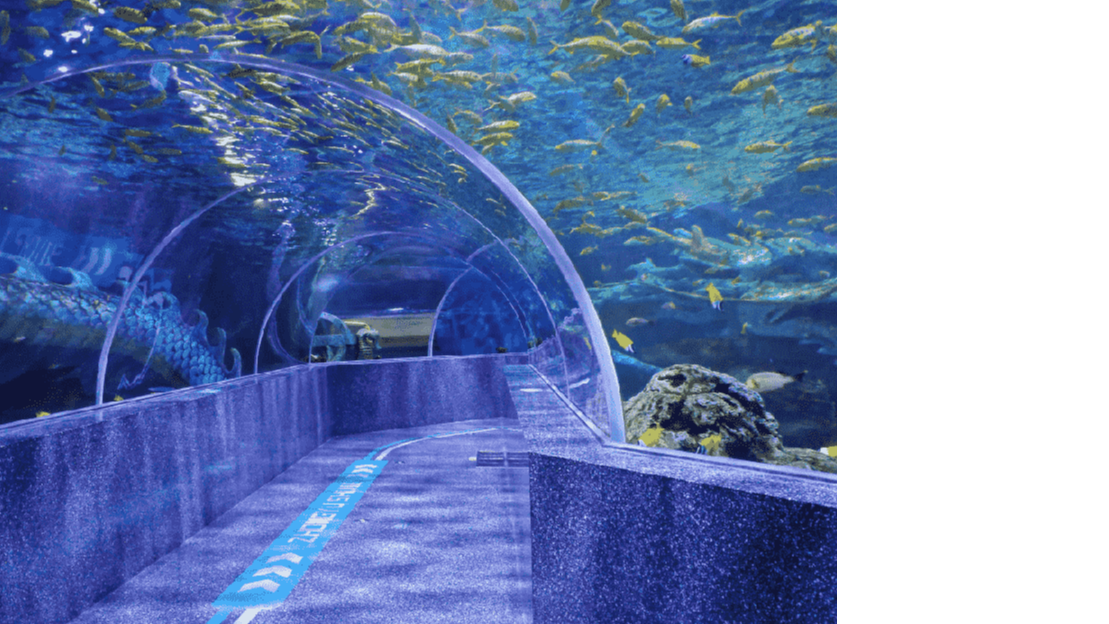
Acrylic can be manufactured into thick, large and curved transparent structures that allow designers to create viewing geometries that would be difficult to achieve using conventional glazing. It is commonly used for aquarium viewing windows, curved panels, cylinders and immersive tunnel systems.
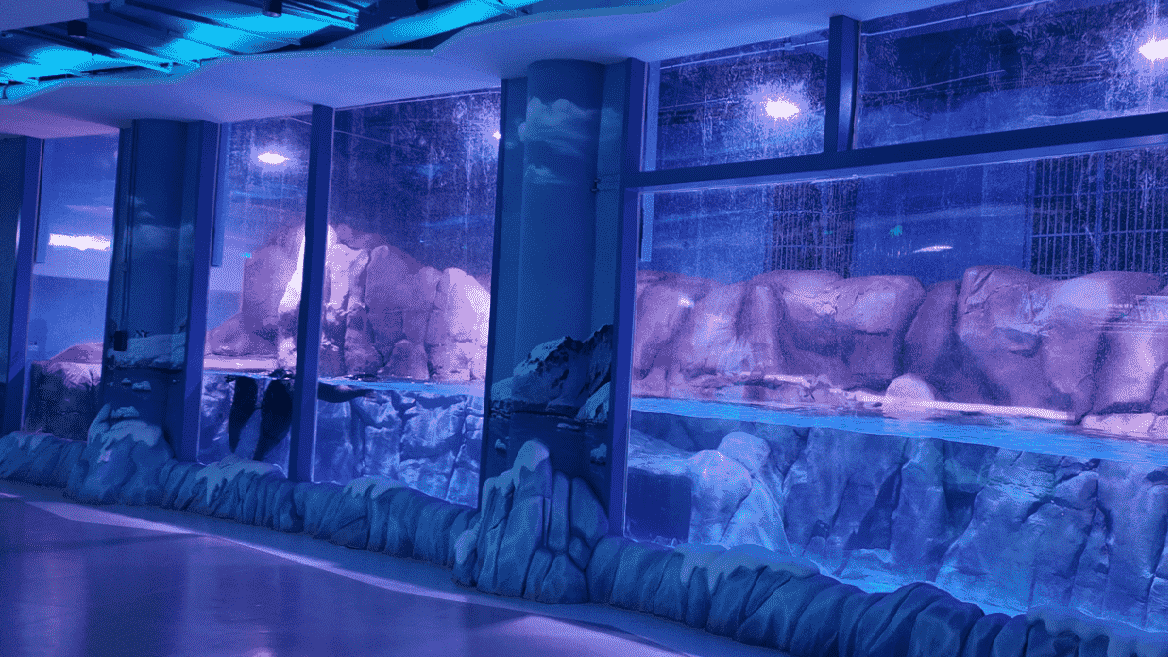
Projects requiring large viewing areas can use engineered acrylic aquarium panels to create broad underwater sightlines while maintaining the structural requirements of the tank system.
Step 1: Engineering Requirements
Manufacturing dimensions should not be decided from appearance alone. Engineers review water depth, clear span, curvature, support conditions and installation details before the final acrylic geometry is confirmed.
This is particularly important when acrylic components interface with concrete openings, steel support frames or complex curved structures.
Step 2: Raw Material Preparation
Optical-grade raw materials are prepared under controlled conditions before polymerization. Consistent material preparation is important because large aquarium components expose a much larger viewing area than typical architectural glazing.
Step 3: Cast Acrylic Production
The acrylic material is polymerized to produce the base panel or section required for subsequent manufacturing processes. For large aquarium applications, component dimensions and thickness requirements can be significantly greater than standard commercial sheet products.
LANHU's current acrylic aquarium manufacturing capability covers a wide range of thick acrylic structures used across different aquatic engineering applications.

Step 4: CNC Machining
After material production, CNC machining is used to establish accurate dimensions, edges, connection geometry and other structural interfaces. Precision becomes especially important when multiple components must align during field installation.
Step 5: Thickness Build-Up and Bonding
Some large aquarium structures require greater acrylic thickness than can be produced or handled as a single basic section. Controlled bonding and lamination processes can be used to build the required structural thickness.
Step 6: Thermal Forming
Curved aquarium panels, tunnels and cylindrical structures require controlled heating and forming. The manufacturing process must achieve the required curvature while managing optical distortion and internal material stress.
This manufacturing flexibility allows projects to create structures such as cylindrical acrylic aquariums and large curved viewing environments rather than being limited to flat rectangular tanks.
Step 7: Annealing
Thermal and mechanical processes can introduce residual stress into acrylic components. Controlled annealing is therefore an important stage for many large fabricated structures.
Step 8: Edge Finishing and Polishing
Visible surfaces and edges are finished to support optical clarity and to prepare accurate interfaces for bonding or field installation.
Step 9: Quality Inspection
Completed components are inspected for dimensional accuracy, surface condition and manufacturing quality before packaging. The inspection plan should match the requirements of the specific project and the intended structural application.
Step 10: Packaging and International Logistics
Large acrylic panels are valuable, dimensionally sensitive components. Packaging therefore needs to protect the acrylic surface and support the panel safely during lifting, transport and international shipment.
Manufacturing Must Match Installation Conditions
A panel can be manufactured correctly and still create project risk if actual site dimensions differ from the approved interfaces. For this reason, field measurement, structural tolerances and installation sequencing need to be coordinated with manufacturing.
When required, LANHU can connect production with acrylic fabrication and installation services so that engineering assumptions can be checked against site conditions.
Frequently Asked Questions
How thick are acrylic aquarium panels?
Thickness varies according to water depth, span, geometry, support conditions and engineering criteria. It should be calculated for the individual project rather than selected from a generic rule.
Can very large acrylic panels be curved?
Yes. Controlled thermal forming can be used to manufacture curved viewing panels, tunnel sections and cylindrical structures where project geometry requires them.
Can acrylic aquarium panels be manufactured for international projects?
Yes. Engineering, production, protective packaging, export logistics and installation coordination can be developed around the destination and construction schedule.
Need a Custom Acrylic Aquarium Component?
If your project requires a large flat viewing window, curved acrylic panel, tunnel or cylinder, send LANHU the available drawings, water depth and approximate dimensions for an initial project review.